
Our Advisors, Fellows, and Interns

Ecology
-
Ecology and Monitoring Fellow | Florida
Michelle Baptist is ORAI’s Lead Scientist, based in Miami, FL. She has been working to build ORAI’s artificial reef monitoring program by carrying out scientific research and leading dive operations in the field in partnership with The International SeaKeepers. Her background specializes in coral reef ecology, science communication, and protected marine resource management. She received her Master of Professional Science (MPS) degree in marine conservation from the University of Miami Rosenstiel School and her bachelor’s degree in environmental studies with a concentration in advocacy and minor in marine studies from the University of Delaware. Her Master’s work in collaboration with NOAA AOML’s Experimental Reef Lab focused on confirmed Stony Coral Tissue Loss Disease (SCTLD) transmission in ballast water. After graduate school, Michelle worked from 2022-2024 as a Reef Injury Prevention and Response Specialist at the Florida Department of Environmental Protection. She focused on coral reef injury assessments, completed coral surveys as a scientific diver, and promoted safe anchoring practices through local outreach to fishing and boating stakeholders in Southeast Florida. Michelle has also worked internationally as a Marine Analyst onboard a research cruise in the Red Sea to conduct coral identification and benthic surveys using glider technology. In addition to ORAI, she currently creates digital coral conservation and Reefbites blog content as a member of the International Coral Reef Society Student and Early Career Chapter (ICRS-SECC). She is most interested in marine science and policy, coral restoration, and climate justice!

-
Intern, Ecology | Cuba
Asiel Cabreta Guerrero is a specialist in marine interactions and marine habitat modeling (SDM with R), with expertise in quantitative ecology applied to Caribbean coastal ecosystem conservation. His research analyzes trophic dynamics and epiphytism, providing scientific foundations for coral, mangrove, and seagrass restoration. As a professor at Universidad de Oriente, his work focuses on scaling restoration solutions that connect communities with ocean conservation through interdisciplinary approaches.
Economics
-
Economics Team Lead , Economics | Florida
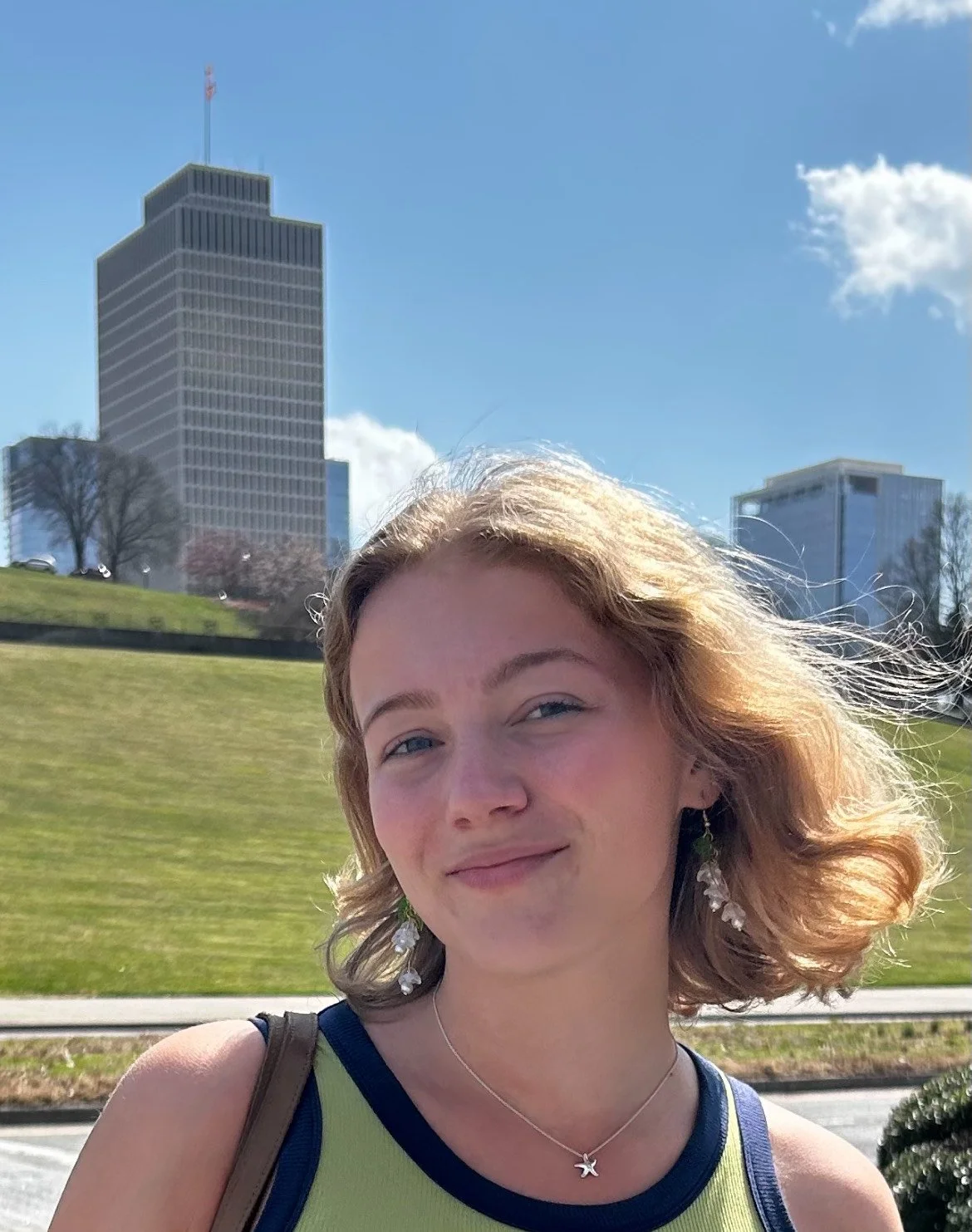
Emily Geier grew up near Chicago, Illinois and earned her undergraduate degree in Marine Biology from the University of Oregon. She is currently pursuing a Masters of Professional Science in Marine Conservation at the University of Miami’s Rosenstiel School of Marine, Atmospheric, and Earth Science. Her academic interests have included the study of marine invertebrates off the Oregon continental shelf and coral skeleton accretion. Currently, Emily is completing an internship with Ocean Rescue Alliance International where she is aiming to understand the economic impacts of artificial reefs off the coast of Hollywood, Florida.

-
Intern, Economics | Florida
Elise Roman recently graduated from the University of Miami’s Rosenstiel School of Marine, Atmospheric, and Earth Science with a B.A. in Marine Affairs and Environmental Policy and Law. She currently works part-time at Charity Brands, a consulting firm where she leads efforts to identify and develop partnerships with environmentally focused companies. In this role, she supports corporate outreach and conducts targeted research to strengthen collaboration opportunities. With a long-standing passion for the ocean—shaped by years of sailing and scuba diving—Elise plans to pursue a career in environmental law. She hopes to use policy and advocacy to drive meaningful change in ocean conservation and environmental sustainability.
-
Economics | Florida
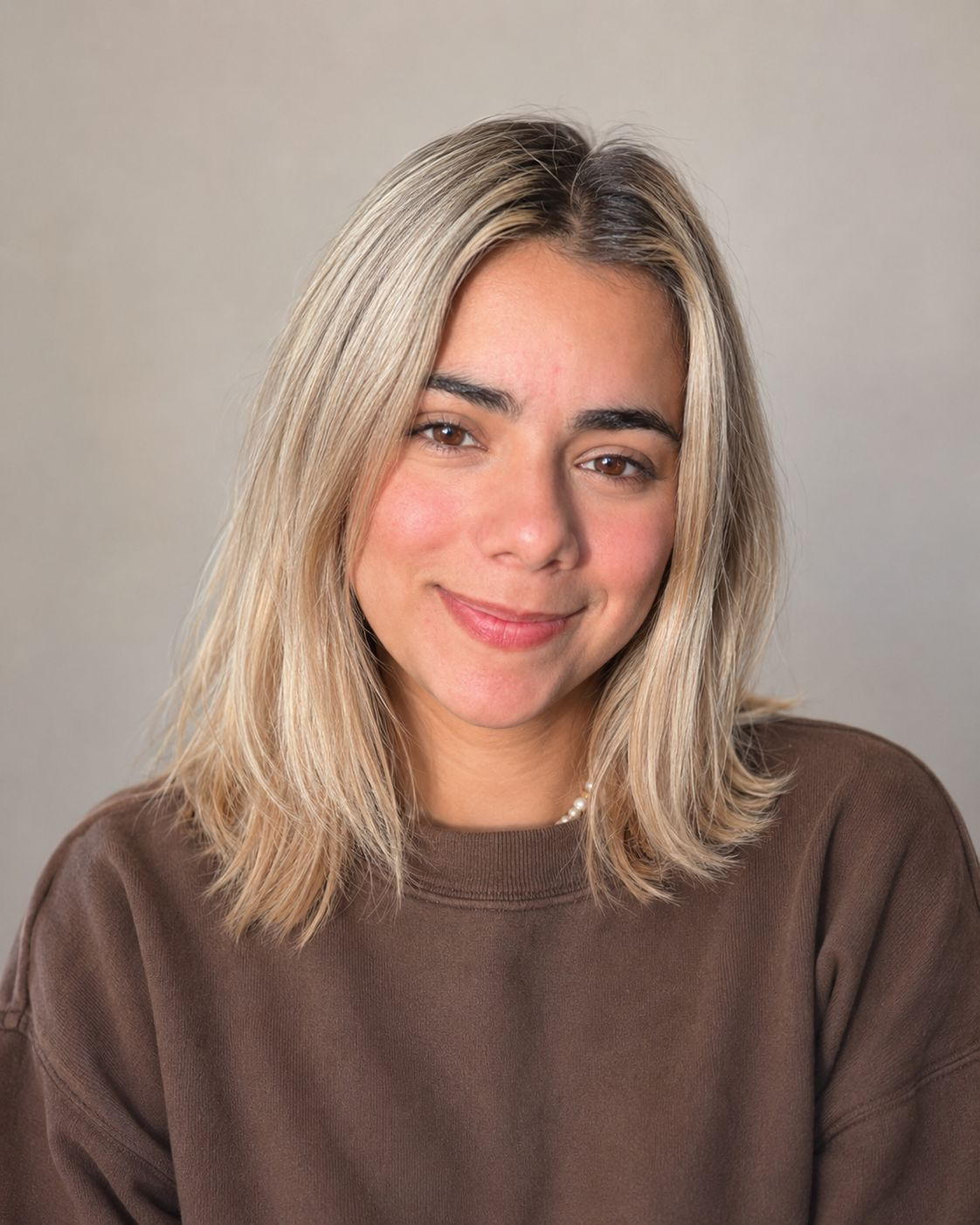
A Colombian biologist currently pursuing a Master of Professional Science in Marine Conservation at the University of Miami’s Rosenstiel School of Marine, Atmospheric, and Earth Science. She holds a B.Sc. in Biology with a Minor in Biodiversity and Environmental Sciences from Universidad de los Andes in Bogotá, Colombia.
Her academic and professional interests focus on environmental law and policy, natural resource economics, biodiversity conservation, and the connection between science and community engagement. Camila is especially interested in translating conservation outcomes into clear, accessible information that can support decision-making, public understanding, funding strategies, and long-term environmental stewardship.
Camila has experience in environmental education, coastal community outreach, sustainability programming, and marine field research in both the Colombian Caribbean and Pacific. Her previous work includes marine mammal care and monitoring, marine biodiversity research, community-based environmental education, and support for coastal resilience and habitat restoration initiatives. At ORAI, she hopes to contribute to projects that connect reef restoration, economic valuation, and community impact in ways that make marine conservation more understandable, inclusive, and actionable.

-
Intern, Economics | Europe & Massachusetts
Carolina Sanctis is a rising junior at Boston University majoring in Economics and Environmental Analysis and Policy. She is passionate about environmental and development economics, with a particular interest in creating sustainable, data-driven solutions to global challenges. Her academic and professional experiences reflect a deep commitment to using economics as a tool for social and environmental impact.
Carolina has previously worked in impact investing and finance, where she helped evaluate mission-driven ventures and supported strategies that balance profitability with measurable positive outcomes. She currently serves as a research assistant for a study affiliated with the National Bureau of Economic Research (NBER), where she contributes to empirical research on patterns of economic growth in Africa during the early 2000s. In addition, she is a peer tutor for the Economics of the Public Sector course at BU, helping fellow students engage with topics such as taxation, government spending, and public goods.
At ORAI, Carolina is excited to bring her background in research, finance, and public economics to interdisciplinary projects that support equitable development and environmental resilience in communities around the world.

-
Intern, Economics | Virgina
Litic Murali joins ORAI as a Social Scientist Intern, bringing a unique interdisciplinary background in ecological economics and quantitative policy analysis to the artificial reef value assessment project. Growing up in the suburbs of Washington, D.C., he grew to appreciate the complex relationships between economic systems and environmental conservation, a parallel development to his mainstream economics formative education and training. This culminated in his recently completed Master of Science in Ecological Economics at the University of Leeds, where his dissertation research focused on fiscal mechanisms for protecting biodiversity against development pressures.
Litic brings over six years of professional experience in economic analysis and policy research, having served as an Economist with the National Association of Home Builders, where his housing market analyses and commentary were cited by home building organizations and featured in local news outlets nationwide. He first realized his passion for regional economic analysis and impact assessment while working with the University of Virginia’s Weldon Cooper Center for Public Service, where he conducted pioneering input-output analysis modeling the economic transition of Virginia’s tobacco industry, contributing to understanding regional economic diversification strategies.
As part of his graduate training in ecological economics, Litic has developed specialized expertise in system dynamics modeling of social-ecological systems, with particular focus on coastal fishery communities and their economic interactions. His dissertation research on land value taxation mechanisms for ecosystem service protection demonstrates his ability to bridge economic policy analysis with environmental conservation goals. He is skilled in advanced statistical analysis using STATA, Python, and Vensim, and has experience with survey design, environmental cost-benefit analysis, and environmentally-extended input-output modeling.
Litic is excited to apply rigorous economic analysis to ecosystem services valuation and is particularly interested in how restoration projects like artificial reefs can generate measurable social and economic benefits for coastal communities. Through this internship, he aims to contribute to the growing scientific understanding of the economic and social value of marine restoration while developing expertise in coastal tourism economics and community impact assessment.

-
Environmental Economics Advisor, Economics | Colombia
Julian is an environmental economics leader advisor with over 15 years of professional experience in marine ecosystems, with focus in economic valuation, climate change adaptation, and restoration strategy. He specializes in designing and performing environmental and ecological methods for ecosystem services valuation, with a framework on implementing Nature-Based Solutions (NbS) to support coastal resilience, people´s wellbeing, nature conservation, policy, investment, and community-led restoration and sustainable management in vulnerable coastal and island territories.
He holds a PhD in Marine Biology (Universidad Nacional de Colombia Caribbean Headquarters, 2024. Corporation Centre of Excellence in Marine Science-CEMarin PhD scholarship, Colciencias-Minciencias National PhD schollarship), awarded with honors for his interdisciplinary research on coral reef complexity and ecosystem services in the Seaflower Biosphere Reserve. His valuation work integrates marine ecology, oceanography, and non- market economic methods, developed through international collaborations with UNC Wilmington (Fulbright Scholar) and AIMS Australia (Australian Academy of Sciences PhD Schollar).
ulian has authored two economic valuation books for the Colombian Ocean Commission and published peer-reviewed articles and book chapters in international journals and edited volumes. His consultancy expertise includes project formulation, stakeholder engagement, economic valuation, cost benefit analyses and strategic environmental planning, successfully securing funding for over seven national and international initiatives. In roles such as Head of Marine Restoration at INVEMAR and Coordinator at UNAL Caribbean for marine ecosystems restoration protocols construction, he led multi-institutional teams and co-developed culturally inclusive restoration protocols with Raizal communities. Julian offers proven leadership in interdisciplinary and multicultural settings, with strong communication skills across technical, policy, and creative formats. His consultancy services support governments, NGOs, and research institutions in advancing blue economy strategies, climate resilience, and equitable conservation.
Hydrodynamics
-
Hydrodynamics Team Lead | Sydney, Australia
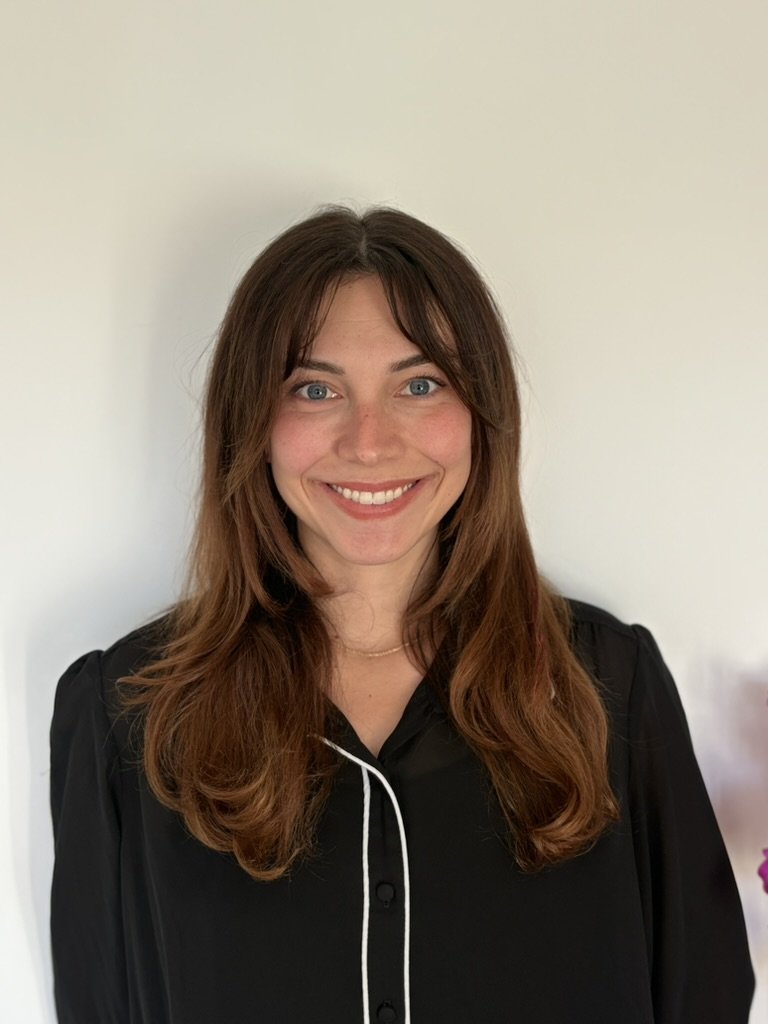
Spencer developed a deep connection to the ocean while studying at San Diego State University, which ultimately shaped her academic and professional path in marine science. She completed a Master’s degree in Marine Science in Australia, where her coursework and research focused on coastal processes, coral reef systems, and the physical drivers that influence reef health. Her thesis explored the relationship between coral cover and wave dynamics, integrating spatial data, wave height, and direction to better understand how hydrodynamic forcing impacts reef ecosystems, particularly during storm events.
Through her graduate work, Spencer gained experience working with geospatial datasets, environmental modeling outputs, and data visualization to communicate complex physical–biological interactions. Her interests sit at the intersection of hydrodynamics and reef ecology, with a strong emphasis on applied science that can inform conservation, coastal resilience, and management decisions.
As an intern, Spencer is excited to contribute her background in reef systems and wave-driven processes to collaborative research efforts focused on understanding and optimizing coastal and reef-based solutions. She is particularly interested in applying hydrodynamic insights to support the design and evaluation of artificial reefs and nature-based coastal protection strategies.

-
Intern, Hydrodynamics | Malaysia
Mahidi Hossen Hannan is a dedicated researcher and Ph.D. candidate at Universiti Putra Malaysia, specialising in biodiversity and natural resource conservation. His doctoral research focuses on developing an interactive digital learning module aimed at enhancing public knowledge, attitudes, and awareness in Malaysia regarding the conservation and coexistence of three iconic yet threatened species: the Malayan tiger, Malayan tapir, and marine turtles. Deeply passionate about protecting marine ecosystems, Mahidi’s work particularly emphasises the Green Sea Turtle.
Through science-based education and accessible digital platforms, he aims to bridge the gap between scientific knowledge and community engagement, promoting peaceful coexistence between humans and wildlife.
His interdisciplinary approach blends environmental education, species conservation, and digital innovation to support Malaysia’s national conservation goals. With a strong academic foundation in zoology and professional experience as a biology educator, Mahidi is committed to inspiring a new generation of conservation-conscious citizens and advancing ecological sustainability through research, education, and outreach.

-
Intern, Hydrodynamics | Florida
Ryan Robison was raised in Anchorage, Alaska, where his deep appreciation for nature began at an early age. Spending much of his time hiking and fishing with family, Ryan developed a strong connection to the natural world that later inspired his academic and professional journey. His travels to countries such as the United Kingdom and Canada further fueled his interest in the diverse ways ecosystems and scientific approaches differ across cultures.
In May 2025, Ryan earned his Bachelor of Science in Marine Biology from Nova Southeastern University. He is currently exploring graduate programs in Marine Science, with the goal of deepening his expertise in both aquatic and terrestrial ecology. His peers describe him as a compassionate, driven individual, and dedicated not only to scientific discovery but also to building meaningful connections within the scientific community.
Ryan is passionate about understanding the global impact of ecological research and aspires to contribute meaningfully to the field through continued study and collaboration. With his strong academic foundation and a clear sense of purpose, he is committed to a career that bridges science, environmental stewardship, and international perspective.
Photogrammatry & Impact Reporting
-
Photogrammetry Team Lead | Florida
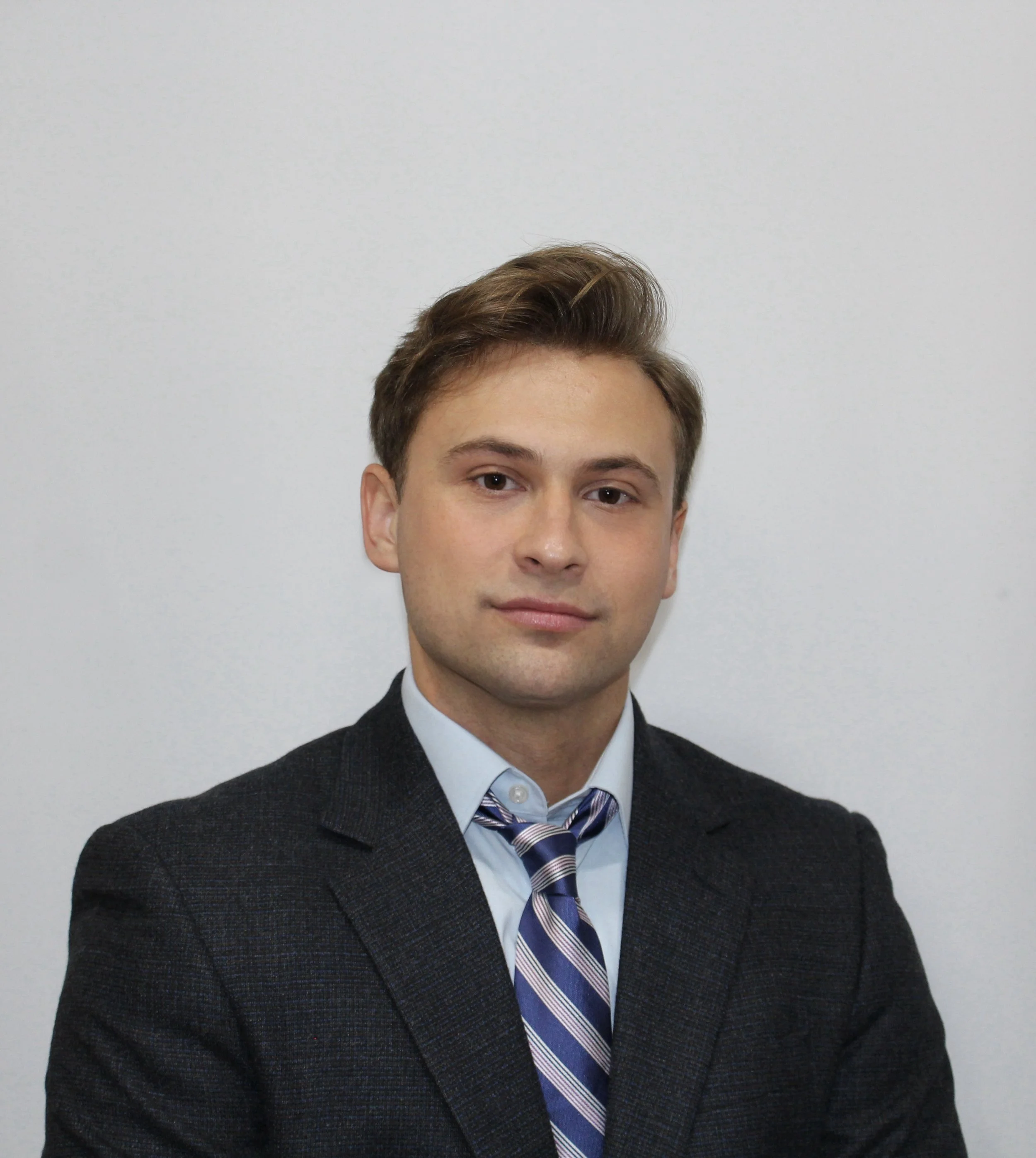
David Liddle is ORAI’s Photogrammetry and Science Communication Team Lead. He recently completed his Master of Environmental Management (MEM) degree at Duke University’s Nicholas School of the Environment, where he specialized in coastal and marine science and earned a certificate in geospatial analysis.
His master’s research, conducted in collaboration with NOAA’s Mission: Iconic Reefs initiative, focused on developing population models for endangered coral species using large-area imagery. By integrating growth, survivorship, and recruitment data into demographic forecasting models, his work supported efforts to predict reef recovery and inform restoration strategies in the Florida Keys National Marine Sanctuary.
Before graduate school, David worked as an environmental consultant, which provided him with a strong foundation in field investigations, regulatory compliance, and environmental management.
At ORAI, David is leading the integration of photogrammetry into reef monitoring workflows, including the development of 3D models, time-series mapping tools, and interactive visualizations to support both ecological research and science communication. His broader interests center on coral reef restoration, applied ecological modeling, and the use of geospatial technologies to improve conservation decision-making.
-
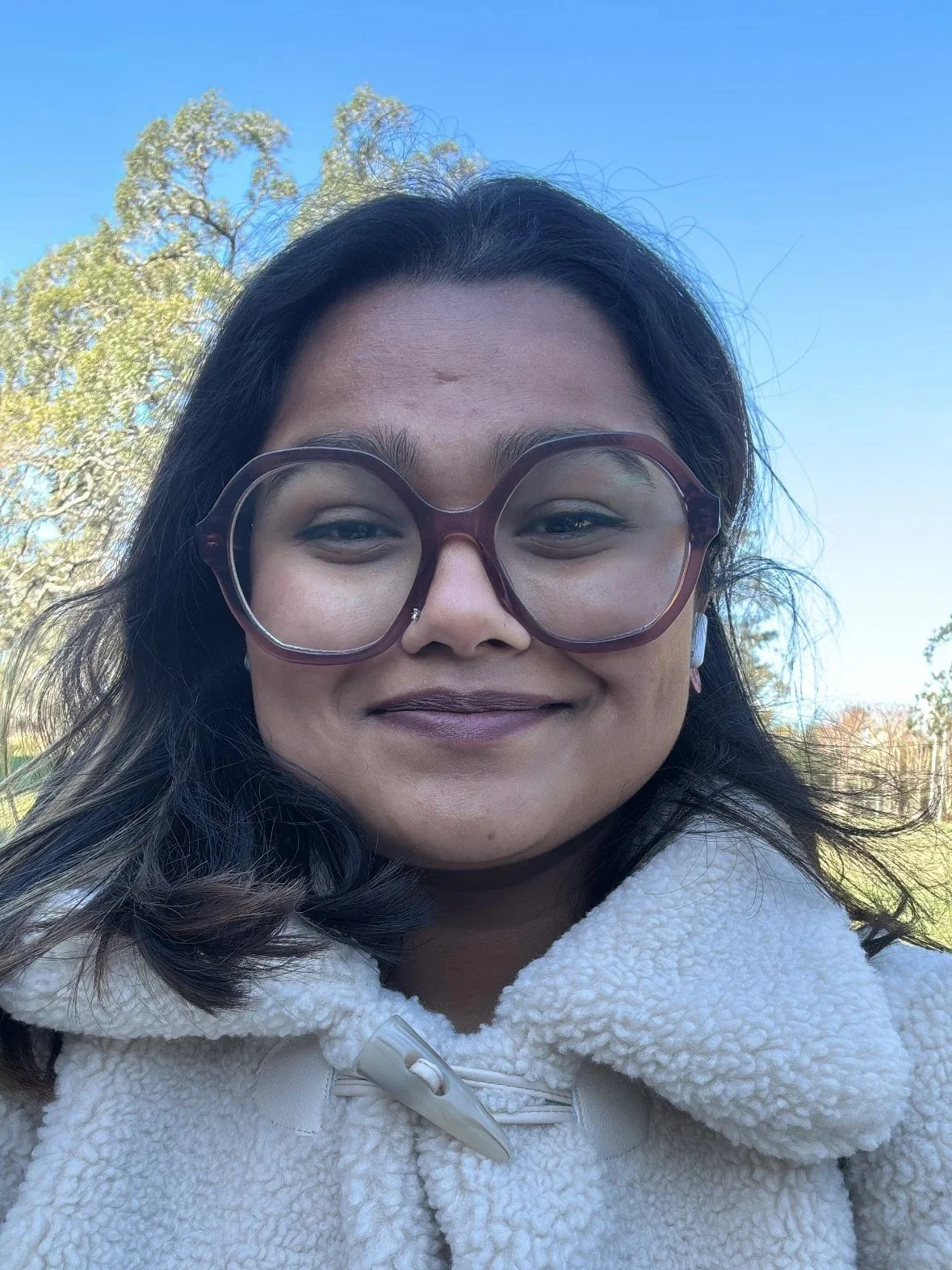
Intern, Impact Reporting | Florida
…
-
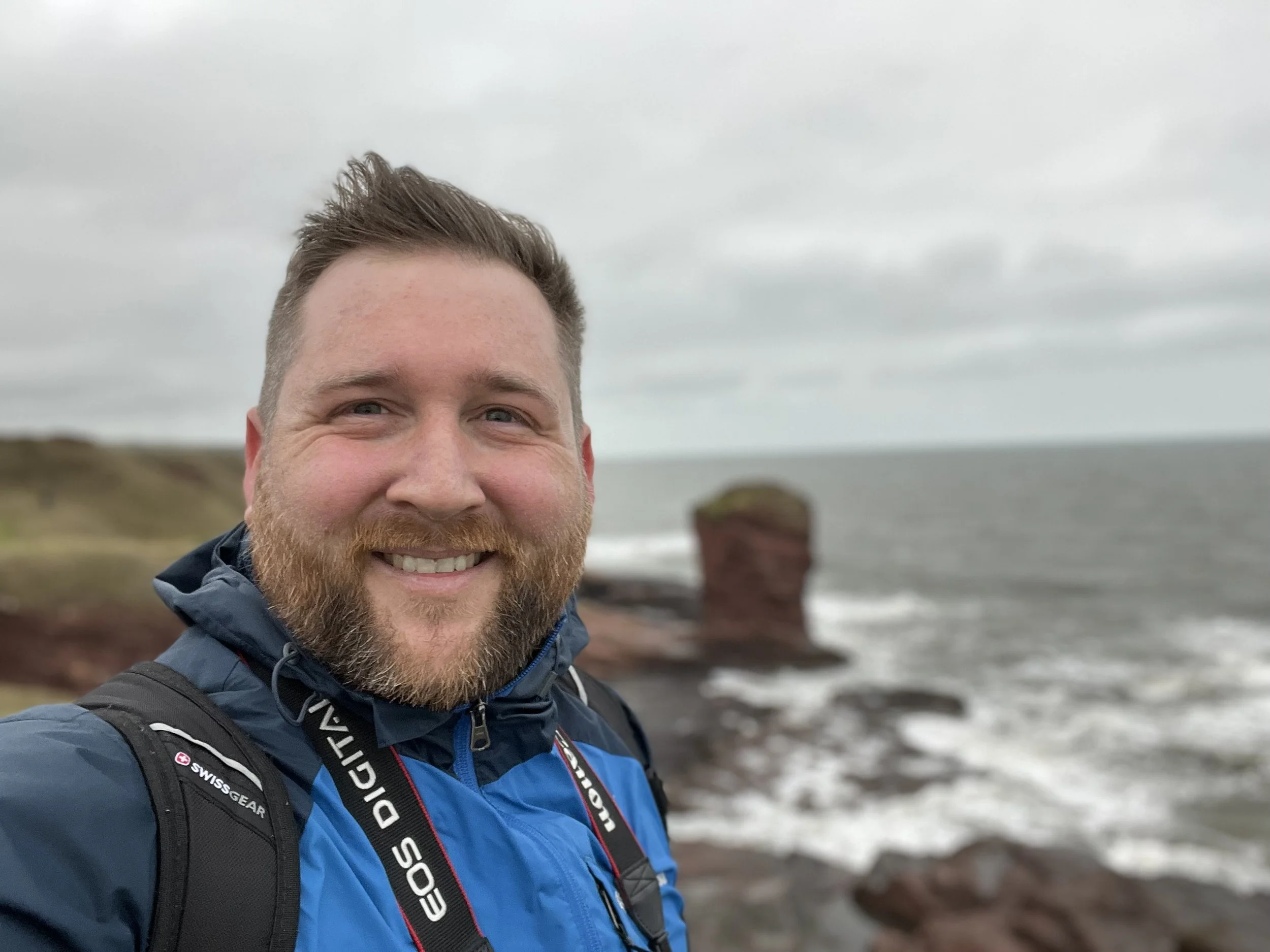
Intern, Reef Monitoring | Florida
Tyler Ball grew up in Princeton, West Virginia and Charlotte, North Carolina. He earned his B.A. in Anthropology (Archaeology) from Marshall University in 2013 and his M.A. in Maritime Studies (Underwater Archaeology) from East Carolina University in 2019.
During his career working as both a terrestrial and underwater archaeologist, Tyler gained experience surveying submerged cultural resources such as shipwreck sites and other structures used as artificial reefs. He is also passionate about sharks, marine conservation, underwater photography and diving.
Tyler is interning with Ocean Rescue Alliance International where he will be assisting with research, grant writing, literature reviews, developing photogrammetry models of reef sites, and ecological monitoring of the recently deployed artificial reefs off the coast of Hollywood, Florida.
-
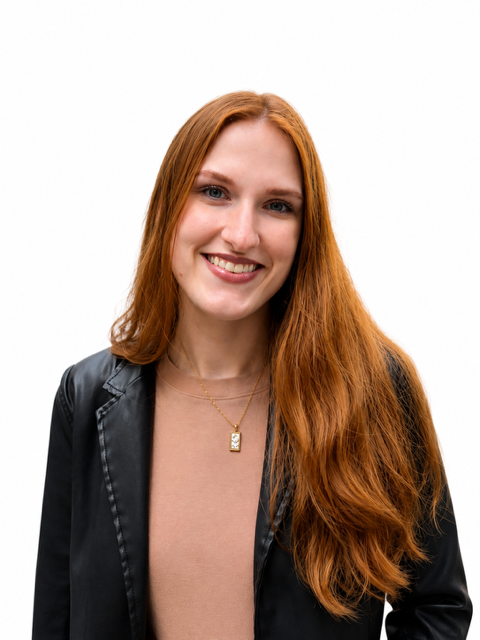
Intern, Photogrammetry and Monitoring
Kimberly Bauer is a conservation biologist from Colorado with a background in Fish,
Wildlife, and Conservation Biology, along with minors in Political Science and Zoology.
She has experience in field research, wildlife monitoring, and ecological data collection
across both terrestrial and marine systems. Kimberly has worked on projects involving
species assessment, habitat monitoring, and applied conservation research, and she is
especially interested in science-based restoration and community-informed
conservation efforts. She is passionate about using research, technology, and
collaboration to support long-term environmental sustainability.